
Our approach
Optimizing design and constructability.
Again, practical experience and commercial understanding are used in conjunction with the most advanced computer modeling software and analytical techniques to optimize both design and constructability outcomes.
In coastal, estuarine or lake areas, areas of deep soft mud, loose sand and other weak soils can be present which require specific attention before construction of your project.
It could be a greenfields site or an existing structure built on a substandard foundation. There are options for both types of ground conditions.
Techniques
Ground improvement techniques we design.
A number of ground improvement techniques are available depending on the type of development and the nature of the weak ground underlying it, including but not limited to the following:
- 01Dynamic compaction
- 02Rapid Impact compaction
- 03Vibrocompaction
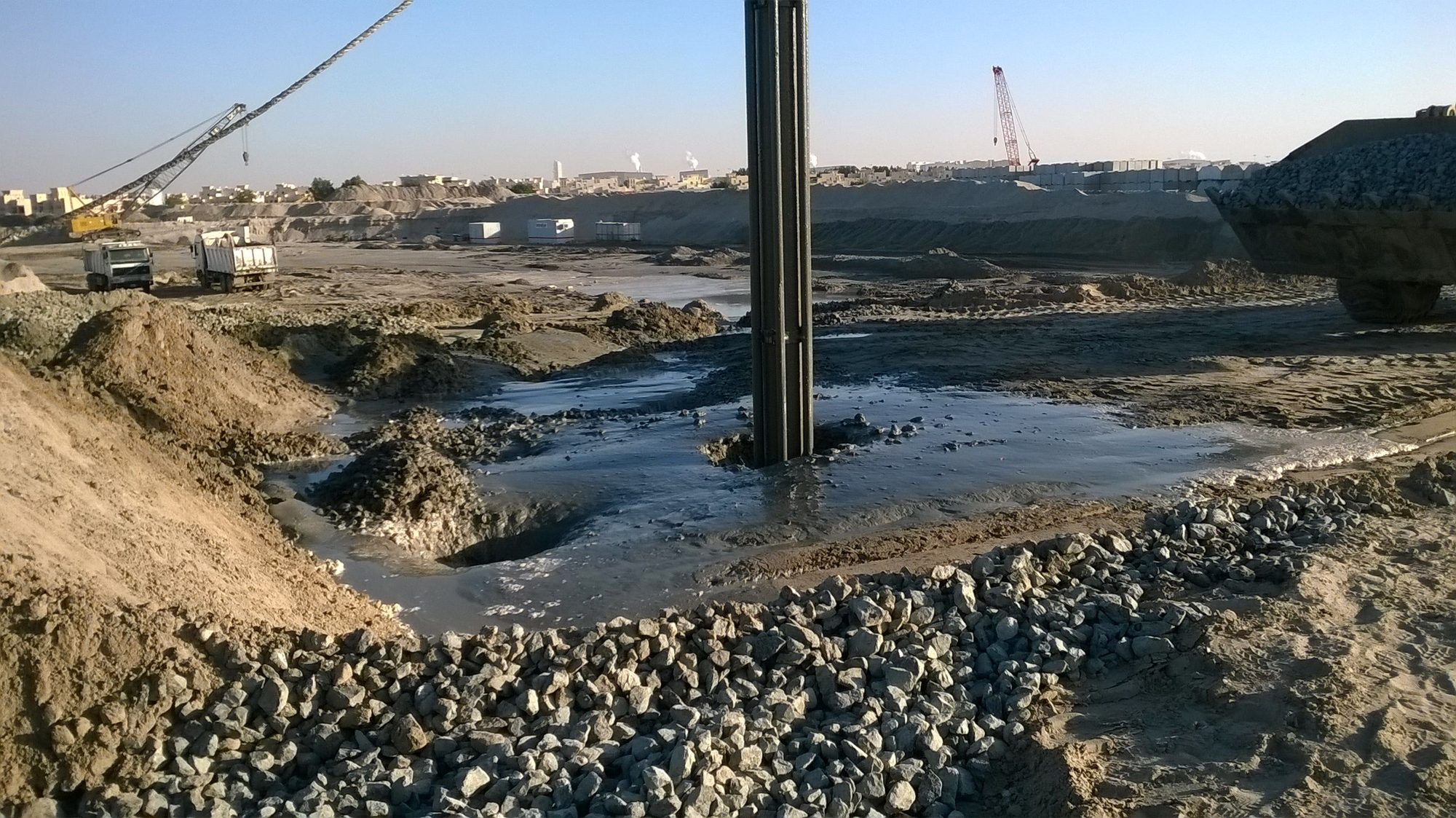
- 04Vibro-replacement (stone columns)
- 05Surcharging with or without PVDs
- 06Cement or lime stabilisation (either shallow, for roads, or deep, for bridge or building foundations)
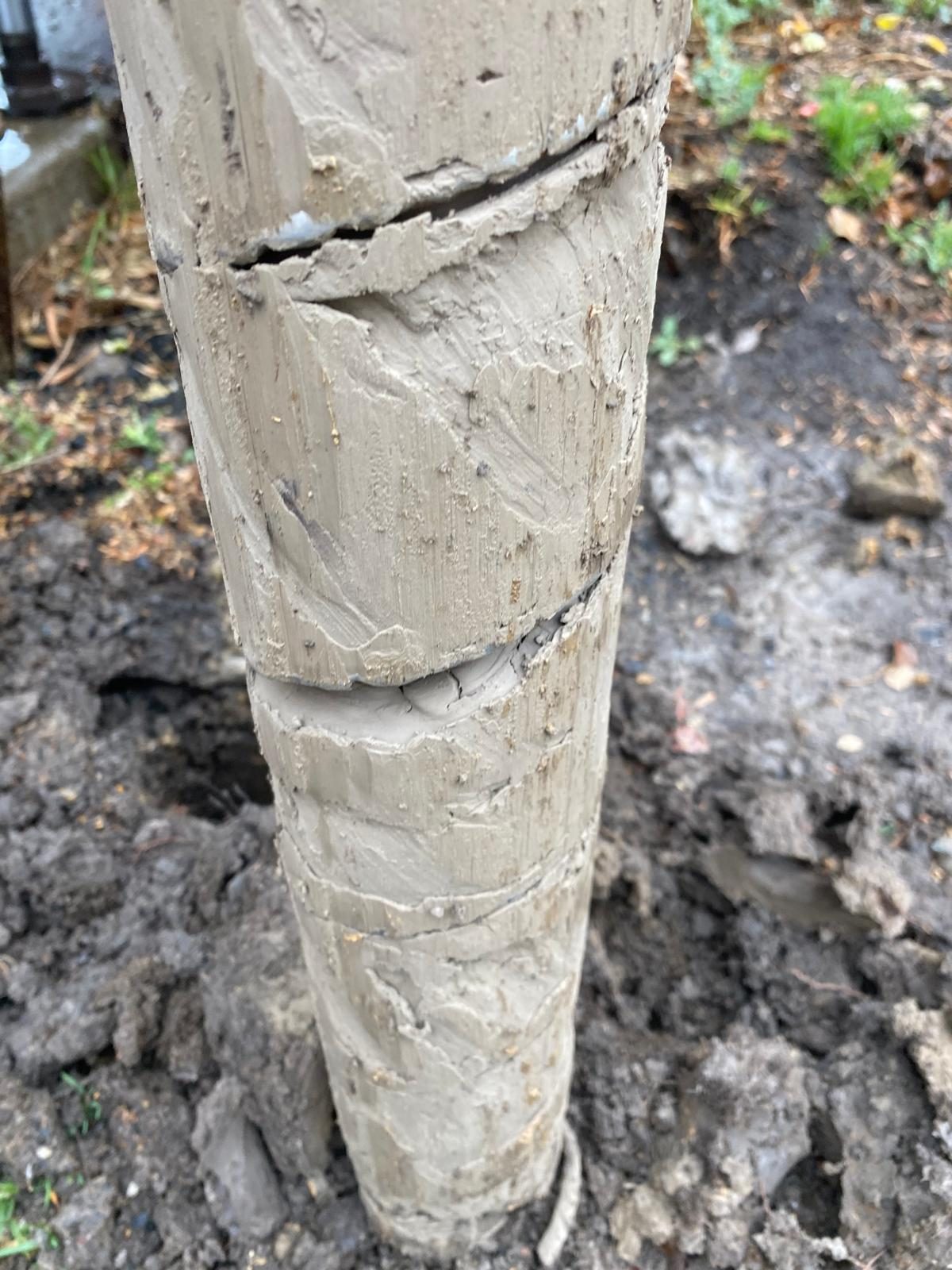
- 07Deep soil mixing (DSM)
- 08Permeation grouting
- 09Pressure grouting
- 10Jet grouting
- 11Stone or sand columns
- 12Piling
- 13Deep compaction methods
- 14Preloading
- 15Geotextile reinforcement